
Territorial planning and the progressive abandonment of the country’s interior are structural factors that have a profound and negative impact on the effectiveness of fighting rural fires in Portugal.
As warned by the Civil Protection authorities, the lack of integrated forest management, coupled with the scarcity of resident population in the most isolated areas, creates a scenario of extreme vulnerability that is severely aggravated by climate change.
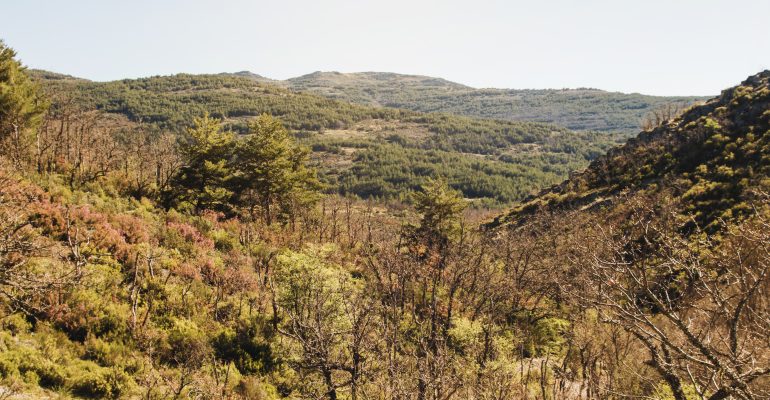
The current landscape design, often characterized by continuous patches of forest without proper discontinuity or planning, facilitates the rapid and uncontrolled spread of flames. When this deficient planning is combined with land abandonment and the lack of active biomass clearing, fuel accumulates dangerously. The absence of dynamic local communities that previously cared for the fields and served as the first line of surveillance and early warning deprives operators of a crucial advantage on the ground.
Faced with this reality, firefighting operations become increasingly complex, requiring rigorous planning and constant readiness on the part of the National Emergency and Civil Protection Authority. However, the effectiveness of the fight is not limited to the amount of human resources, vehicles or aerial resources available on the ground. Although reinforcing resources is essential to contain emergencies during the most critical periods, the true sustainability of the forest depends on a change in collective behavior and effective policies for revitalizing the interior.
The greatest concern of the authorities lies in the high number of ignitions, which demonstrates that initial prevention is the most important link in the chain. Reducing the number of new fire outbreaks requires additional responsibility on the part of each citizen in their daily actions. Looking at land use planning and the settlement of people in rural areas is not just a matter of regional development, but a national security priority that dictates the country’s ability to protect its forests, its assets, and human lives.
Looking at land use planning and the settlement of people in rural areas is not just a matter of regional development, but a national security priority that dictates the country’s ability to protect its forests, its assets, and human lives.