Connected Interior: Opportunities Without Borders
We aim to foster the demographic sustainability of the interior regions, through the attraction and integration of digital nomads. Encouraging an environment conducive to remote work, boosting a positive economic and social dynamic.



News
Innovation doesn’t live only in big cities. In the interior of Portugal, where challenges are different and resources scarcer, some of the most creative and transformative solutions often emerge.
Living or working in rural Portugal no longer means being disconnected from the digital world. With public and private investment exceeding €400 million, high-speed fixed internet and 5G coverage is reaching areas previously considered ‘white’, covering more than 400,000 homes in low-density areas by 2027.

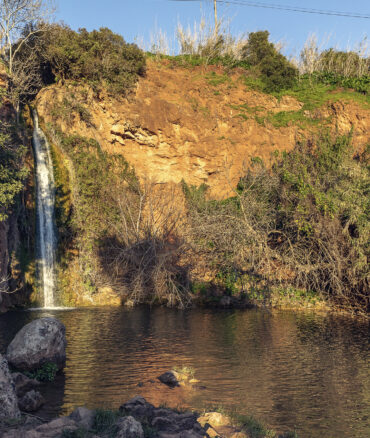
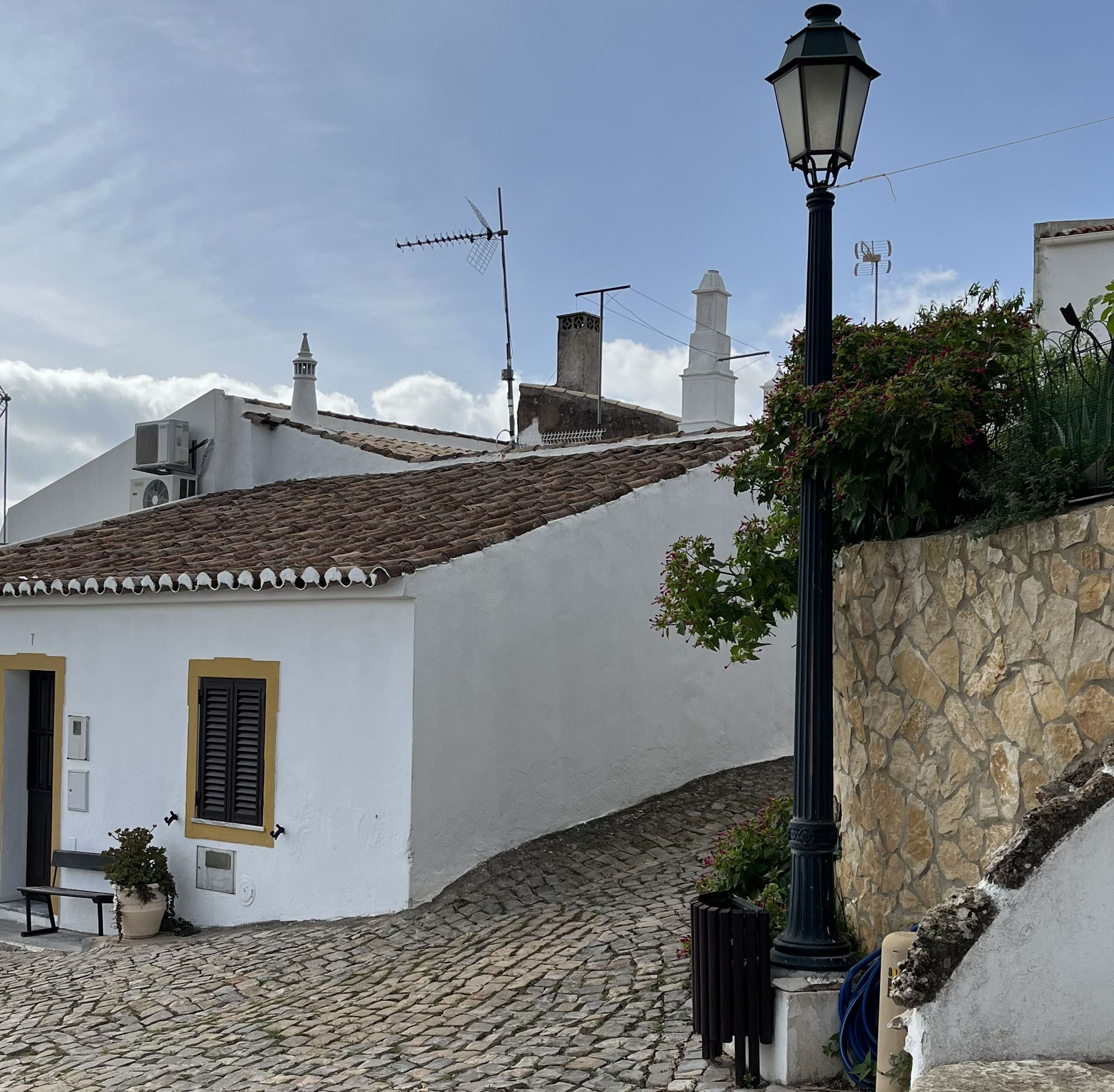
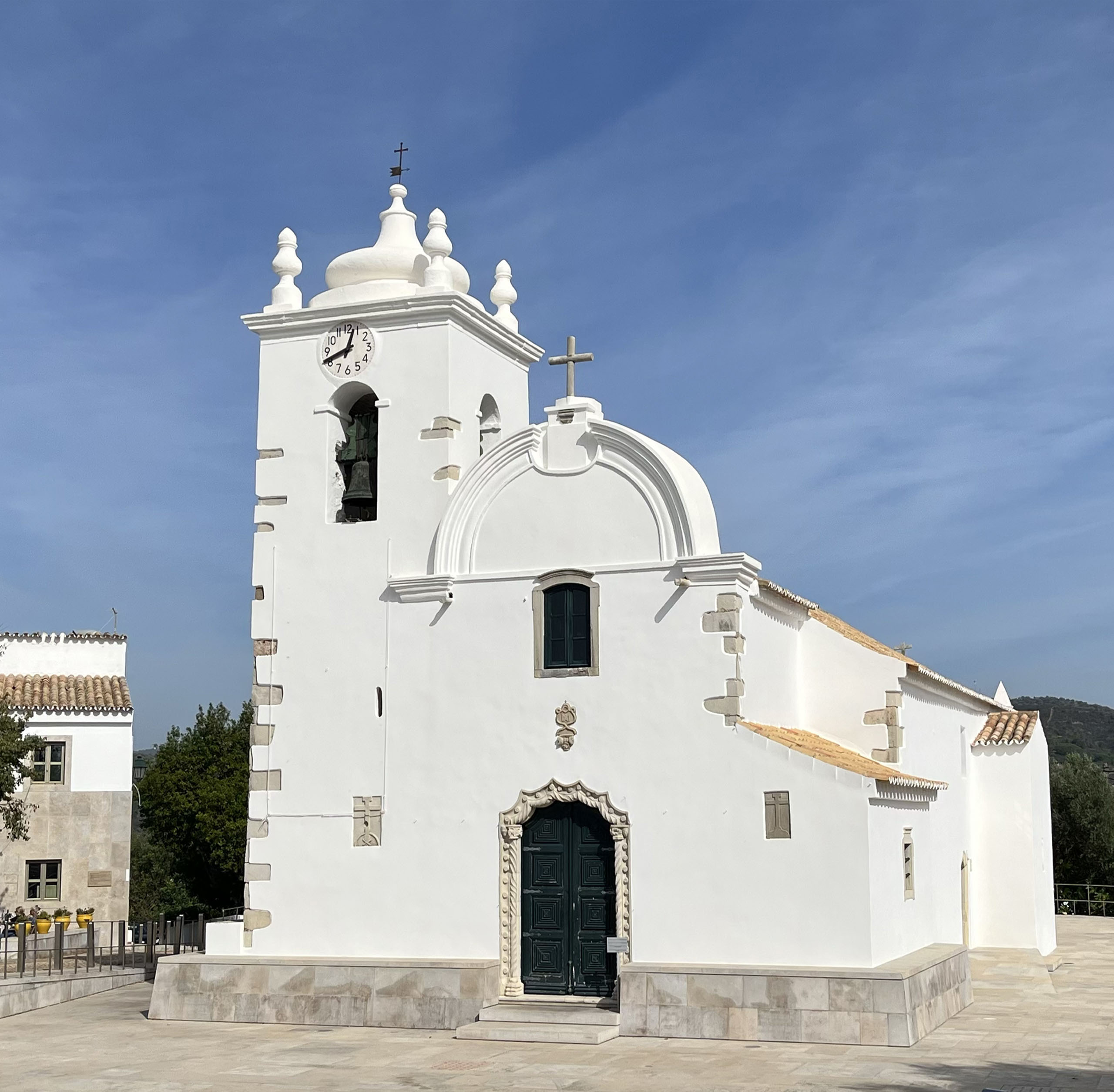
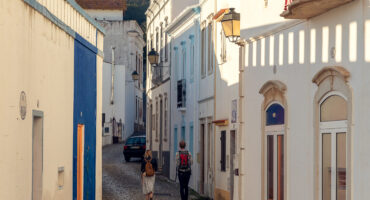
Alte, in the municipality of Loulé, stands out as one of the most typical and cultural villages in the Algarve, offering a contrast to beach tourism with its natural and historical heritage. Located at the foot of the Serra do Caldeirão, it attracts visitors in search of Portuguese authenticity. This guide reveals the main tourist attractions for an unforgettable visit. Queda do Vigário The 24-metre-high Queda do Vigário waterfall forms a clear water lagoon ideal for swimming in summer, accessible by a short trail from the Alte cemetery. The area includes lawns and picnic tables, recently renovated for greater visitor comfort. Considered one of the most Instagrammable spots in Portugal, it is part of the Ribeira de Alte and attracts crowds on hot days. Historic Centre and Mother Church The historic centre of Alte enchants with its white houses, cobbled streets, lace chimneys and colourful doors, and was a finalist in 1938 in the competition ‘The Most Portuguese Village in Portugal’. The 16th-century Manueline-style Mother Church of Nossa Senhora da Assunção serves as the centre of the village and displays 18th-century tiles, classified as a Property of Public Interest. Walks up the staircases reveal poetry on the walls in homage to the local writer Cândido Guerreiro. Alte Springs The Grande and Pequena springs, on the outskirts of the village, provide fresh spring water and landscaped areas for picnics, once a meeting place for local women to wash clothes. Surrounded by works of art dedicated to figures such as Duarte Pacheco, they invite moments of relaxation in any season. In summer, they also serve as refreshing bathing spots. Other Cultural Highlights The Chapel of São Luís, dating from the 14th-15th centuries with Baroque additions, protects animals and boasts 18th-century paintings. The Cândido Guerreiro Museum Complex exhibits the poet’s estate and ethnographic artefacts from the Counts of Alte, while a giant mural of the Portuguese flag symbolises local pride. The monthly market, on the third Thursday, offers handmade products such as honey and cheese. Practical Tips Alte can be visited in half a day, ideally in spring or autumn to avoid excessive heat; access via the EN124 from Loulé or São Brás de Alportel, with bus options via EVA. Try dishes at the Fonte Nova Restaurant and explore trails such as Alte or Fonte Benémola in the surrounding area. Events such as Carnival and the Fusos Festival enliven the village every year.
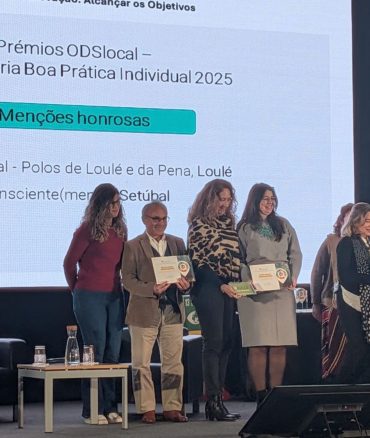
The Loulé Environmental Centre, encompassing the Loulé and Pena hubs, was awarded an Honourable Mention in the “Individual Good Practice” category at the ODSlocal 2025 Awards.
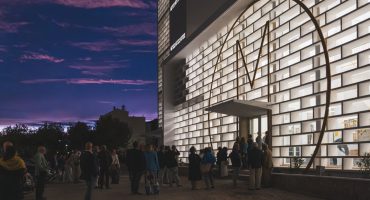
Housed in the former silos of the Cooperativa Agrícola de Santa Catarina da Fonte do Bispo in Tavira, the Zer0 Museum opened on 27 September 2025. This new centre dedicated to digital art promises to revitalise the interior of the Algarve, bringing innovative energy to the region with creative experiences that fuse technology and local heritage. It is the first museum in Portugal entirely dedicated to digital art and is the result of the vision of Paulo Teixeira Pinto, former Secretary of State under Cavaco Silva and former president of BCP. The founder conceived this space as a meeting point between art, technology and community, in a setting where the rural past merges with contemporary creation. The Zer0 Museum stands out for not having a traditional collection. It functions as a living laboratory, where artists are challenged to create works in dialogue with the building and its industrial heritage. According to programmer Fátima Marques Pereira, the name Zer0 refers to binary language and symbolises ‘fullness in potential’ — the origin and condition of digital art. The opening programme brings together exhibitions and artistic residencies that address themes such as sustainability, territory, community and identity. In line with the European Union’s Sustainable Development Goals, the museum affirms its commitment to creative innovation and ecological awareness. The big challenge, according to the team, will be to win over the local public and transform the space into a dynamic centre for creation and critical reflection, reinforcing the role of the Algarve interior as a territory at the forefront of culture and technology. The Zer0 Museum is open to the public from Tuesday to Sunday, from 10am to 6pm, and is closed on Mondays for maintenance and the setting up of new exhibitions. During the first month of operation, admission is free upon online reservation. Subsequently, tickets will have a symbolic cost, with discounts for students, senior citizens and organised groups. Guided tours and creative workshops can be booked through the museum’s official website.